Someone Else Owns My Google Business Profile — How Do I Get It Back?
The listing is yours. The reviews are yours. The phone number is yours. But the account that controls all of it belongs to an agency you fired in 2023, an employee who quit, or a Gmail address nobody at your shop remembers creating.
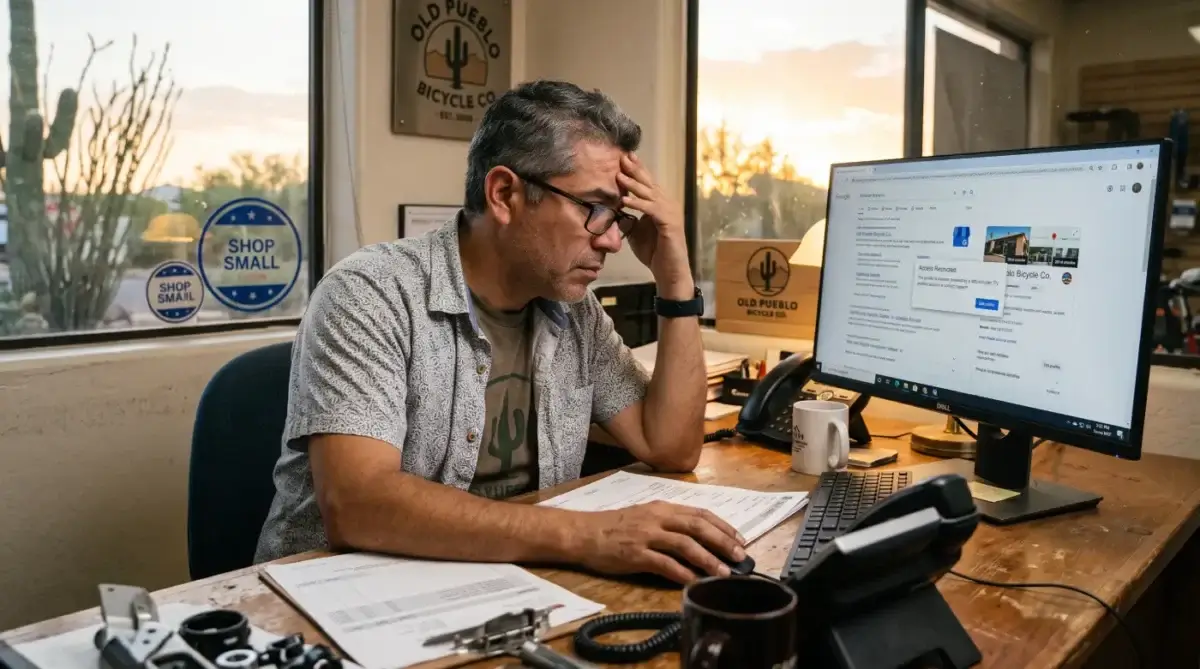
I'm David Cragg. I've been doing search marketing since 1990, and I've run this recovery for plumbers, dentists, electricians and junk haulers more times than I can count — first in Southern California and now across Tucson and Southern Arizona. It is one of the two or three most common calls I get, and it is almost always fixable. It is also the call where people panic and do the one thing that makes it worse: create a second listing. Don't. Read this first.
Here is the whole process, in the order you should actually do it, with the parts Google's documentation states plainly and the parts you only learn by having done it.
The short version
- Do not create a new profile. A duplicate splits your reviews and your ranking signals and creates a second problem on top of the first one.
- The current owner gets 3 days to respond, not seven. Google's help documentation is explicit about this. The famous "seven days" is a different clock entirely — see below.
- If they ignore you, you may get a Claim or Verify button. Google says the option "isn't always available," and that hedge is doing real work.
- Service-area businesses can't use the standard flow. If you have no storefront, you go through Google support with "Transfer ownership of listing." Most Tucson trades fall here.
- Request from the right Google account — ideally the one already verified in Search Console for your domain.
- When you get it back, you're locked out of three functions for 7 days. That's the real seven-day window.
First, Figure Out What Actually Happened
The recovery path depends on who holds the account, and there are only four realistic answers. Be honest about which one you're in, because it changes what you should say in the request form and how the appeal goes if it comes to that.
1. A former marketing vendor claimed it under their own email
This is the most common one by a wide margin. An agency "set up your Google listing" as part of onboarding, verified it with their own Gmail or company account, added you as a manager or didn't add you at all, and then the relationship ended. Sometimes it's malice. Far more often it's a project manager who left and a password nobody documented.
The good news: these are usually the easiest to recover, because a legitimate agency has no business reason to fight you and no documentation to support a competing claim.
2. A former employee, partner or family member verified it
Your old office manager set it up on her personal Gmail in 2019. She's been gone four years and you can't reach her, or you can reach her and the parting wasn't friendly. If there's an active business dispute here — a partnership breakup, for instance — know going in that Google is explicitly reluctant to referee when both parties have a plausible claim.
3. A lead-generation or "listing management" company claimed it
Some directory and lead-gen operations claim profiles they have no relationship with, then point the website field at their own domain and rent your calls back to you. This one is worth the extra escalation path in the appeal section below, because it's a policy violation in addition to being an ownership dispute.
4. It's you, on an account you forgot about
I put this last but I check it first on every call. Before you start a formal ownership request, sign out and check every Google account your business has ever touched — the old info@ address, the personal Gmail from before you had a domain, the account tied to an old Google Ads campaign. Google's own guidance notes that if you can't find a "Claim this business" button, you may already be the owner and simply be signed into the wrong account. I've closed this whole issue in four minutes more than once.

The screen that starts the whole process. The partially masked email is the single most useful thing on it — write it down before you click anything.
Read the Masked Email Before You Click Anything
When you search for your business at Google's add-a-business flow and Google tells you someone else may manage the profile, it shows you a partially obscured version of the owner's email — something like d••••••@gmail.com with the domain visible. That fragment is the most valuable piece of evidence in this entire process, and most people blow right past it.
Take it to a list of every vendor, employee and contractor who has ever touched your marketing, and match the first letter and the domain. Three things follow from a match:
- You may be able to skip the formal process entirely. If you recognize the address, email or call that person and ask them to add you as an owner in Business Profile settings under People and access. A five-minute favor beats a three-day wait and a possible appeal every time.
- If it's an account you control, this is an account recovery problem, not an ownership problem. Recover the Google account and you're done.
- If you don't recognize it at all, you're likely in scenario 3 above, and you should read the appeal section carefully.
One Tucson detail worth knowing: a lot of long-running local trades were set up during the Google Places and Google+ Local era, and those profiles got migrated through two platform changes. The account on file is sometimes a Gmail created by a phone book rep in 2011. If the masked address looks like nothing you've ever seen, that's not proof of theft — it may just be old.
Two Different Flows: Storefront vs. Service-Area Business
This is the fork in the road, and getting it wrong costs you a week. Google runs the standard self-service ownership request for storefront and hybrid businesses only. If you're a service-area business — you go to the customer and don't have a location customers visit — the request form is not your path.
Most of the Tucson businesses I work with are service-area businesses. Plumbers, electricians, HVAC techs, mobile notaries, junk haulers, garage door companies, pool service. If that's you, read the second column.
| Step | Storefront or hybrid | Service-area business |
|---|---|---|
| Where you start | The Google add-a-business flow, searching your name and address | Google Business Profile support contact form |
| What you submit | The Request Access form, which is forwarded to the current owner | A support case with "Transfer ownership of listing" entered as the issue |
| Who decides | The current owner first; Google only if they don't respond or you appeal | A Google support agent, working from documentation you provide |
| Typical timeline | 3 days, then a possible claim window | Varies; plan on a week or more with back-and-forth |
| What decides it | Whether the current owner answers their email | Your documentation — license, registration, utility bill, signage |
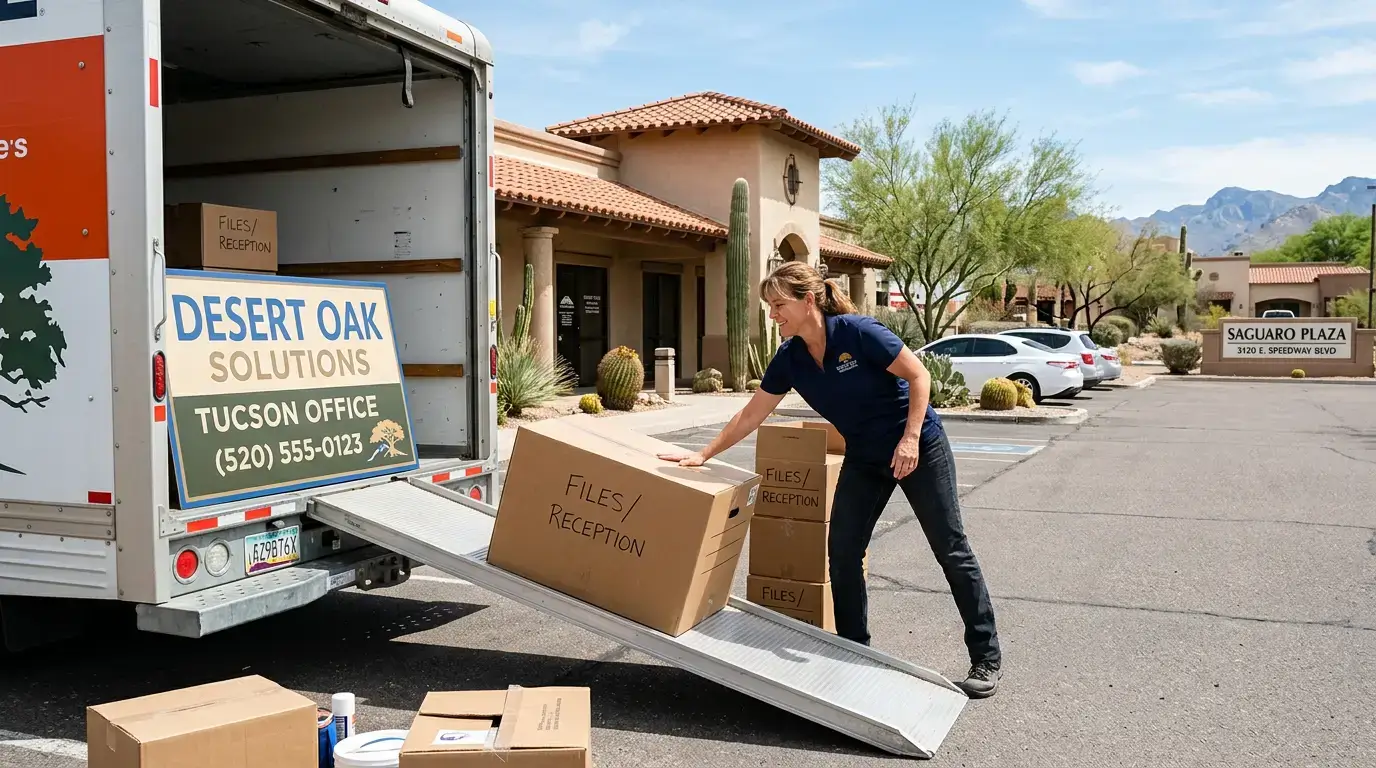
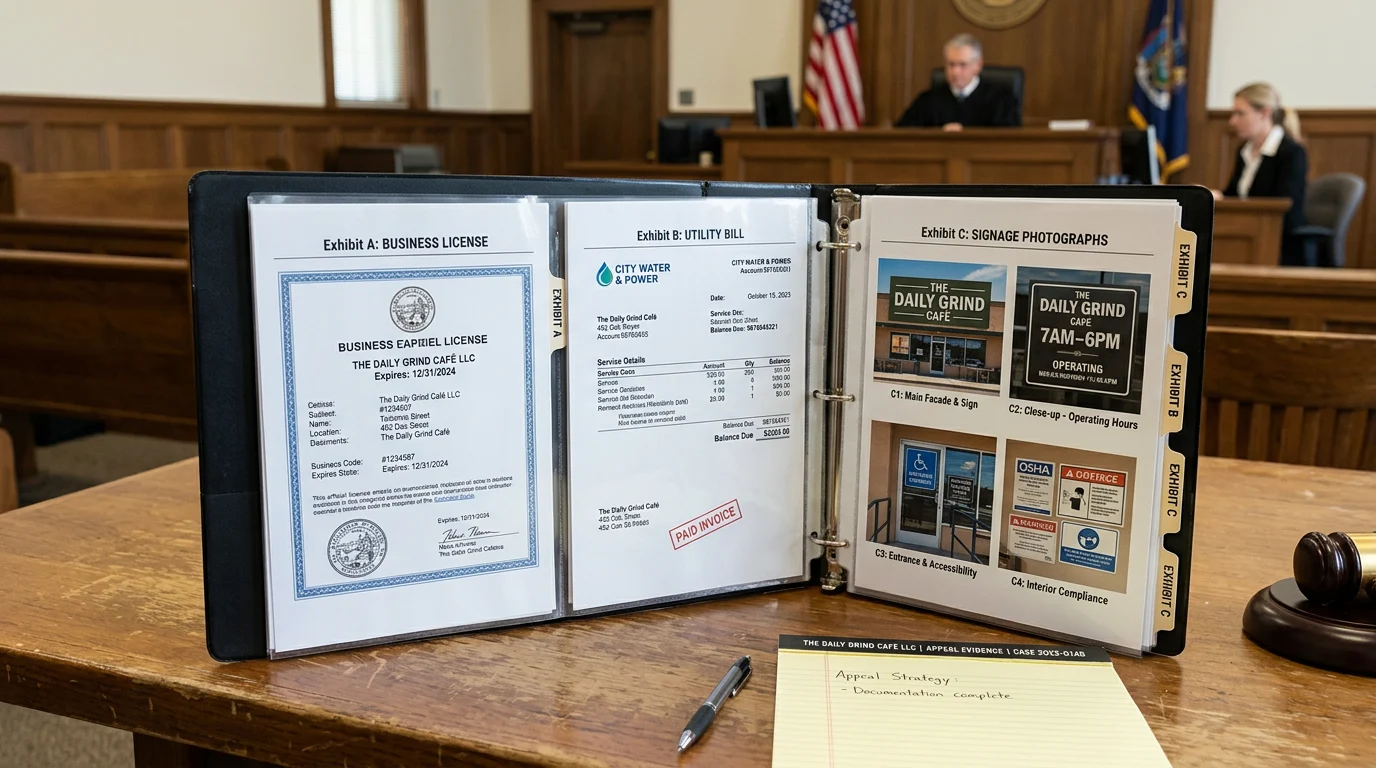
Service-area owners: gather the paperwork before you open the case, not after. Arizona Corporation Commission registration, your ROC license if you're a contractor, a Tucson Electric Power or Tucson Water bill in the business name, and a photo of a truck wrap or signage carrying the business name. Agents work the case in front of them. A complete first submission routinely beats a thin one by days.
The Request-Access Flow, Step by Step
For storefront and hybrid businesses, here is the sequence as Google documents it.
- Pick your Google account carefully — before step two. Use the account that already has verified access to your domain in Google Search Console, or at minimum an address on your own business domain. Google isn't obligated to weigh this, but the request goes to a human eventually, and a request from owner@yourcompany.com reads differently than one from a personal Gmail.
- Go to the add-a-business page and enter your business name and address.
- Select your business from the list. You'll get the "Someone else may manage this Business Profile" message. Note the masked email.
- Select Request Access and fill out the form.
- Write the form like a human being who owns the business. This text is forwarded to the current owner. Name the business, name yourself and your role, state the relationship that ended, and be specific and unemotional. "I am the owner of record. Your firm managed our marketing from March 2022 to August 2024. Please transfer ownership of the profile at your convenience." Nothing accusatory. Most of these are resolved by a cooperative former vendor, and hostility turns an easy transfer into a denial.
- Submit, and then save the confirmation email. This is the step people skip and regret. That email contains the link you'll need later to check status and to claim the profile if the owner goes silent. Don't delete it, don't let it sit in a shared inbox nobody reads.
The Three-Day Clock, and the Seven-Day Myth
Search this topic and you'll find "seven days" repeated on dozens of marketing blogs. Google's own help page says something different, and it says it plainly: after you request ownership, the current profile owner is notified by email and has 3 days to respond. If you don't get a response after 3 days, you may have the option to claim the profile.
So where does seven days come from? It's real — it's just a different clock, attached to the other end of the process. Google's documentation on profile owners and managers states that when you become a new owner or manager, you have to wait 7 days before you can use some features. During that period you'll get an error if you try to delete or undelete the profile, remove other owners or managers, or transfer primary ownership.
Two clocks, two purposes. The 3-day clock is the incumbent's chance to say no. The 7-day clock is Google's anti-hijacking hold on whoever just arrived — including you, after you win.
David Cragg Tucson SEO consultant, in search since 1990Why this matters practically, and not as trivia: if you're on the receiving end of a request — and legitimate businesses get fraudulent ownership requests constantly — you have three days to hit Deny, not seven. Planning around a seven-day window is how good operators lose profiles over a long holiday weekend. And if you're the one requesting, don't tell your team it'll be a week before you can even check. Check on day four.
I'd also note that some third-party write-ups say "3 to 7 days," which likely reflects that people have observed the claim option appearing at different times. Google's published number is three. Treat three as the floor and don't assume the button appears the instant the clock runs out.
What Happens When the Current Owner Ignores You
This is the most common outcome, because the account often belongs to a business that no longer exists or an inbox nobody checks. Here's the sequence:
- Open the confirmation email you saved. (Told you.)
- Select View request, then Verify. You can also sign in to your Business Profile and look for a Claim or Verify button.
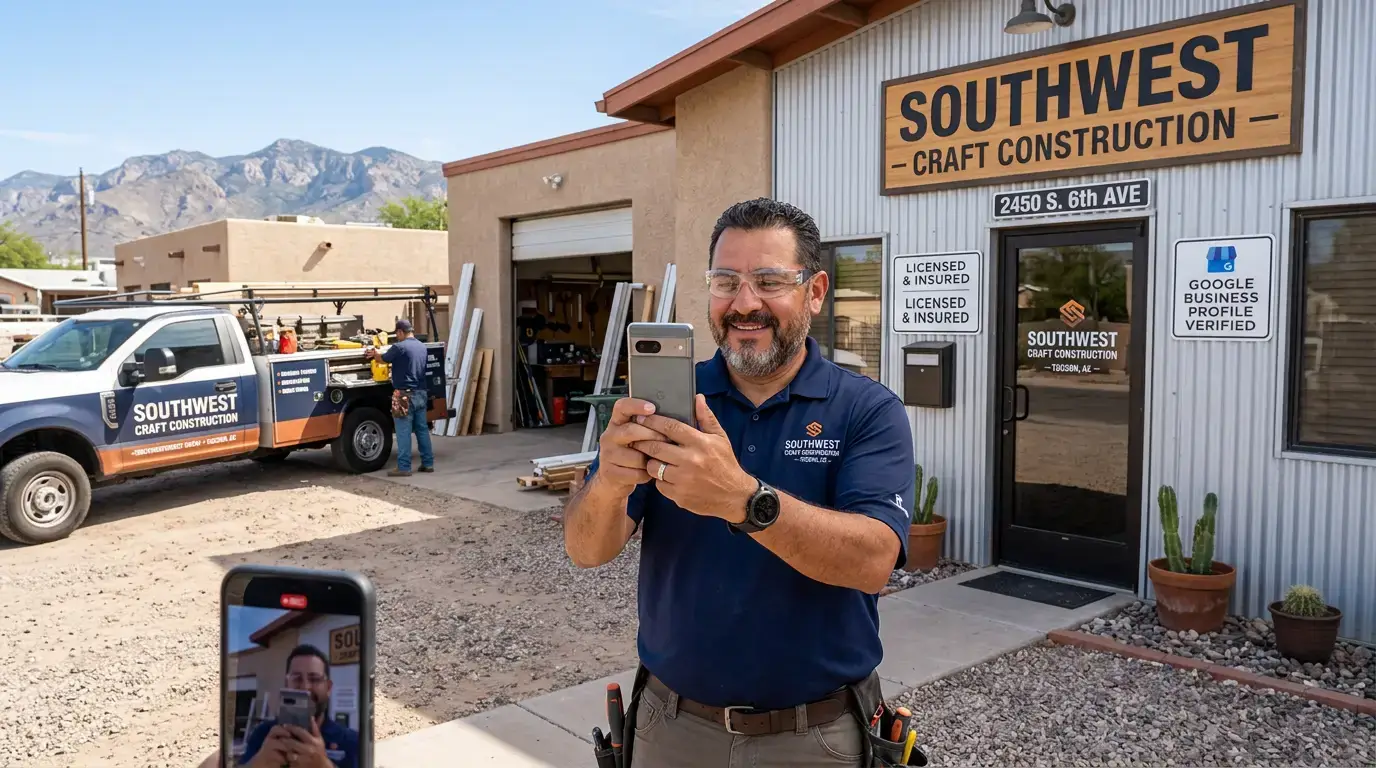
- Complete verification. Google will put you through the standard process — these days that usually means video verification rather than a postcard, and for service businesses it often means recording your truck, your tools, your signage and some evidence of the address you're claiming.
Two hard truths about this step. First, Google's own documentation carries the caveat that the option to claim a profile isn't always available. That is not boilerplate — profiles in categories Google treats as higher-risk, or with an ownership history that looks contested, sometimes never surface the button. Second, if the claim option doesn't appear, you are not out of options; you're simply moved onto the same support path service-area businesses use from the start.
Before you open that support case, do one thing that costs nothing: suggest an edit to the public profile correcting the website URL and phone number to yours. It doesn't give you control, but if a lead-gen operator has redirected your calls, it can stop the bleeding within a day or two while the ownership fight plays out.

Most of the work in a recovery is documentation, not technique.
If Your Request Is Denied
You'll get a rejection email. Google's documentation says you can still suggest an edit to the profile, and that you can also try to appeal the decision. A denial is not the end, and in the cases I've worked, a denial from a stranger is frequently weaker than it looks — the incumbent clicked Deny reflexively and has nothing behind it.
Three escalation paths, in the order I'd use them:
Appeal the denial
Watch the rejection email for an appeal link and use it promptly. Where an appeal is offered, the decision moves from the incumbent to Google, and your documentation finally matters. Lead with the strongest evidence: state registration in your name, a business license, a utility bill at the address, a domain registration predating the profile, and the Search Console verification for your site.
Open a Business Profile support case
Use the same contact path service-area businesses use, describing it as an ownership transfer for a profile you own and a request that was denied. Attach the documentation. Be factual and short. Agents read a lot of these.
File a third-party policy complaint
This one is specifically for scenario 3 — a lead-gen company or listing service holding a profile for a business it has no relationship with. Google maintains a separate complaint channel for violations of its third-party policies covering exactly this behavior. It is a different queue than the ownership queue, and it's underused. Don't fire it at a legitimate former agency you're merely annoyed with; do fire it at somebody renting your calls back to you.
One thing not to do, no matter how long this takes
Do not create a second Business Profile for the same business. It splits your reviews, competes with your own listing, and adds a duplicate-resolution case on top of the ownership case you're already fighting. I have seen a stalled two-week recovery turn into a four-month cleanup this way. Wait it out.
You Got It Back. Now the First Hour Matters.
Recovering control is the milestone. It isn't the finish line, because a profile that's been sitting under someone else's account for two years is almost never accurate, and a profile that was held hostile may have been actively degraded.
Remember the constraint: for your first 7 days you can't remove other owners or managers, delete the profile, or transfer primary ownership. Everything else you can do right now.
- Website URL. Confirm it points to your domain and not a vendor's tracking page or a lead-gen microsite.
- Phone number. Same issue. Call-tracking numbers owned by a former vendor can be switched off the day they lose the account.
- Primary category. This is the single heaviest relevance lever on the profile, and it's frequently set wrong or set generically.
- Hours, including holiday hours. A profile left untended for two years usually has stale hours and no seasonal entries.
- Service area and address settings. Common damage: a service-area business with its street address exposed, or a Tucson business with a service area drawn so wide it dilutes every signal.
- Unanswered reviews and unanswered questions. Work the negative ones first, calmly and publicly.
- Photos. Remove anything that isn't yours; upload current work.
- Day 8: clean up People and access. Put this on your calendar now. On day eight, remove every account that shouldn't be there and confirm that you — not a vendor — hold primary ownership.
How to Never Be in This Position Again
One rule covers ninety percent of it: the business owns the profile, and vendors get manager access. Owner access lets someone add and remove users and remove the profile. Manager access lets them do essentially everything operational — edit information, post, respond to reviews, upload photos — without ever being able to lock you out.
That's how I work with every client. I'm added as a manager. The client stays the owner. If someone leaving your business can turn off your listing on their way out the door, the access was set up wrong, and it was probably set up that way by the person holding it.
Two more habits worth building:
- Verify the profile from a business-domain account you control, not a personal Gmail and not an employee's address. Accounts tied to individuals leave when the individual does.
- Read the ownership-request emails Google sends you. They come from Google's business profile no-reply address and they are legitimate. Fraudulent requests against healthy profiles are routine. You have three days to deny one.
If You're in Tucson and You'd Rather Not Do This Yourself
I handle ownership recoveries as part of ordinary Google Business Profile management for clients, and I'll look at one for free whether or not you hire me. Profile audits don't cost anything and there's nothing to sign. Call (520) 207-6000 and read me the masked email off the screen — nine times out of ten I can tell you in two minutes which of the four scenarios you're in and roughly how long it'll take.
If the profile turns out to be the smaller half of the problem — which it often is, because a neglected profile usually sits next to a neglected site — the related work is local SEO and Map Pack visibility, reputation management once you control the review responses again, and a straight SEO audit if you want the prioritized list before you spend anything. It's all inside the same $1,000 a month, no contract. I work across Oro Valley, Marana, Catalina Foothills, Sahuarita, Green Valley and Vail.
What Clients Say
Four of the ten reviews on my Google profiles, quoted in full. Most were left on the Temecula SEO profile during the Southern California years, before the practice moved to Tucson in 2022.
If you are looking for help with SEO, or anything related, David is your man! I talked to several other companies before talking to David, and I knew right away he was different. He is extremely professional, responsive, affordable, and effective. Most importantly, I trust that he is looking out for my best interest. He takes a very hands-on approach and always takes the time to listen to the changing needs of my professional business. His wealth of knowledge is invaluable. He had my business seeing results almost immediately. Thank you David for all your hard work! Best in the business!
Luke Hendrix Temecula SEODave does much more than "just" SEO, or at least he does everything even tangentially related to SEO. Not just finding keywords and maximizing them, but rather looking at things at their foundation so we get the best possible results. Dave is very hands-on and blazingly fast with execution. I'm sure I've tried his patience as I know just enough to be annoying and not near enough to do a good job of this myself. He manages to explain what I need explained in a "for dummies" level but without making me feel like an idiot.
With a lot of people our company works with, we are ready for their services/delivery/etc. before they are. This is especially true of some of our previous marketing efforts. We try not to get too impatient. With Dave on the other hand, we can't keep up. And our results have improved dramatically very quickly!
Marc Rowen Temecula SEODavid built and developed the website for my business. His customer service and expertise are superior to anyone else I had previously used. How many web development guys had I been through that promise the moon, work hard for a short while, then become difficult to get a hold of later? I'll tell you: there were 9 in 7 years! Temecula SEO worked with us closely, is VERY knowledgeable and computer savvy! It's so nice to have a custom website built; and, actually see it rank well on-line! If you want an SEO guy you can count on, David with Temecula SEO is your man!
Leo Rich Severns Master Technician · Temecula SEOCalled to inquire about services. Dave was extremely helpful in providing knowledge and guidance for a small business getting started.
Lou Ramirez Temecula SEOQuestions People Ask About Getting a Profile Back
How long does the current owner have to respond to my ownership request?
Google's help documentation states that the current profile owner is notified by email and has 3 days to respond. If you do not get a response after 3 days, you may have the option to claim the profile through the link in your confirmation email. The widely repeated "seven days" refers to a different rule: the 7-day period after you become a new owner or manager during which you cannot delete the profile, remove other users, or transfer primary ownership.
What happens if the current owner just ignores my request?
Nothing happens automatically. After the 3-day window passes, you open the confirmation email Google sent when you submitted the request, select View request and then Verify, and complete verification yourself. You can also sign in to your Business Profile and look for a Claim or Verify button. Google notes that the option to claim a profile is not always available, so if no button appears, your next step is a support case rather than a second attempt at the same form.
My request was denied. Can I appeal?
Yes. Google's documentation says that if your request is denied you can still suggest an edit to the profile and you can also try to appeal the decision. Look for an appeal link in the rejection email and use it promptly. Appeals are decided on documentation, so lead with state business registration, a license, a utility bill at the business address, and domain ownership that predates the profile. If the holder is a lead generation or listing company with no relationship to your business, there is also a separate complaint channel for violations of Google's third-party policies.
I'm a service-area business with no storefront. Does the request form work for me?
No. Google directs service-area businesses, which serve customers at the customer's location and have no physical shop or office, to contact Google Business Profile support instead and enter "Transfer ownership of listing" as the issue. Most Tucson trades fall into this category, including plumbers, electricians, HVAC contractors and haulers. Gather your documentation before opening the case: Arizona Corporation Commission registration, your ROC license if you hold one, a utility bill in the business name, and photos of vehicle signage.
Should I just create a new Google Business Profile instead of fighting for the old one?
No. A second profile for the same business splits your reviews and your ranking signals between two listings, competes with itself in local results, and creates a duplicate-resolution case on top of the ownership case you are already working. The reviews on the original profile are usually the most valuable asset in the whole dispute and they do not transfer. Wait out the process, even when it is slow.
Once I get it back, can I immediately remove the old owner?
Not right away. Google applies a 7-day limit to new owners and managers. During that period you will get an error if you try to delete or undelete the profile, remove other owners or managers, or transfer primary ownership. Everything else is available immediately, so spend the first week fixing the website URL, phone number, primary category, hours, service area, photos and unanswered reviews, then clean up People and access on day eight.
How do I stop this from happening again?
Keep ownership in the business's name and give vendors manager access instead. Managers can edit business information, post, respond to reviews and upload photos, but they cannot add or remove users or remove the profile. Verify the profile from an account on your own business domain rather than a personal Gmail or an employee address, and read the ownership request notifications Google sends, because you only have 3 days to deny a fraudulent one.
Sources
The procedural claims on this page come from Google's own documentation rather than industry folklore, because this is a topic where the folklore is measurably wrong. Check them yourself.
- Google Business Profile Help: Request ownership of a Business Profile — the request flow, the 3-day response window, the claim option and its caveat, and the service-area business exception.
- Google Business Profile Help: Manage your Business Profile owners & managers — owner versus manager capabilities, and the 7-day limit on new owners and managers.
- Google Business Profile Help: Resolve duplicate profiles & ownership issues — why a second listing makes the problem worse.
- Google Business Profile: report a violation of third-party policies — the escalation path for listing services holding a profile they have no relationship to.
- Google Business Profile Help: how local search results are determined — relevance, distance and prominence, and why an inaccurate profile costs you rankings and not just control.
Read Me the Masked Email and I'll Tell You Where You Stand
Free profile audit, no charge and nothing to sign. I'll tell you which recovery path applies, roughly how long it takes, and whether it's worth paying anyone to do it for you. If I think you can handle it in an afternoon yourself, I'll say that.
Or call (520) 207-6000. You get me, not an account manager.
Written by David Cragg, Tucson SEO consultant, in search since 1990. I've run Google Business Profile ownership recoveries for local service businesses since the platform was called Google Places.
On how this site is written: I use AI tools to draft and to check my own work. AI does not supply the facts about your business, it does not invent sources, and nothing goes up here that I have not read first. If you find a claim on this site you can't verify, call me and I'll fix it or pull it.
Page last reviewed September 20, 2026 by David Cragg. Google changes this process periodically; the linked help articles are the authority if they disagree with this page.